The $1,000 Silence: Why Your Voicemail is Your Biggest Competitor

You're halfway up a ladder fixing a tripped breaker when your phone buzzes. Again. You ignore it because, obviously, you're holding a screwdriver and standing on aluminum.
The call goes to voicemail.
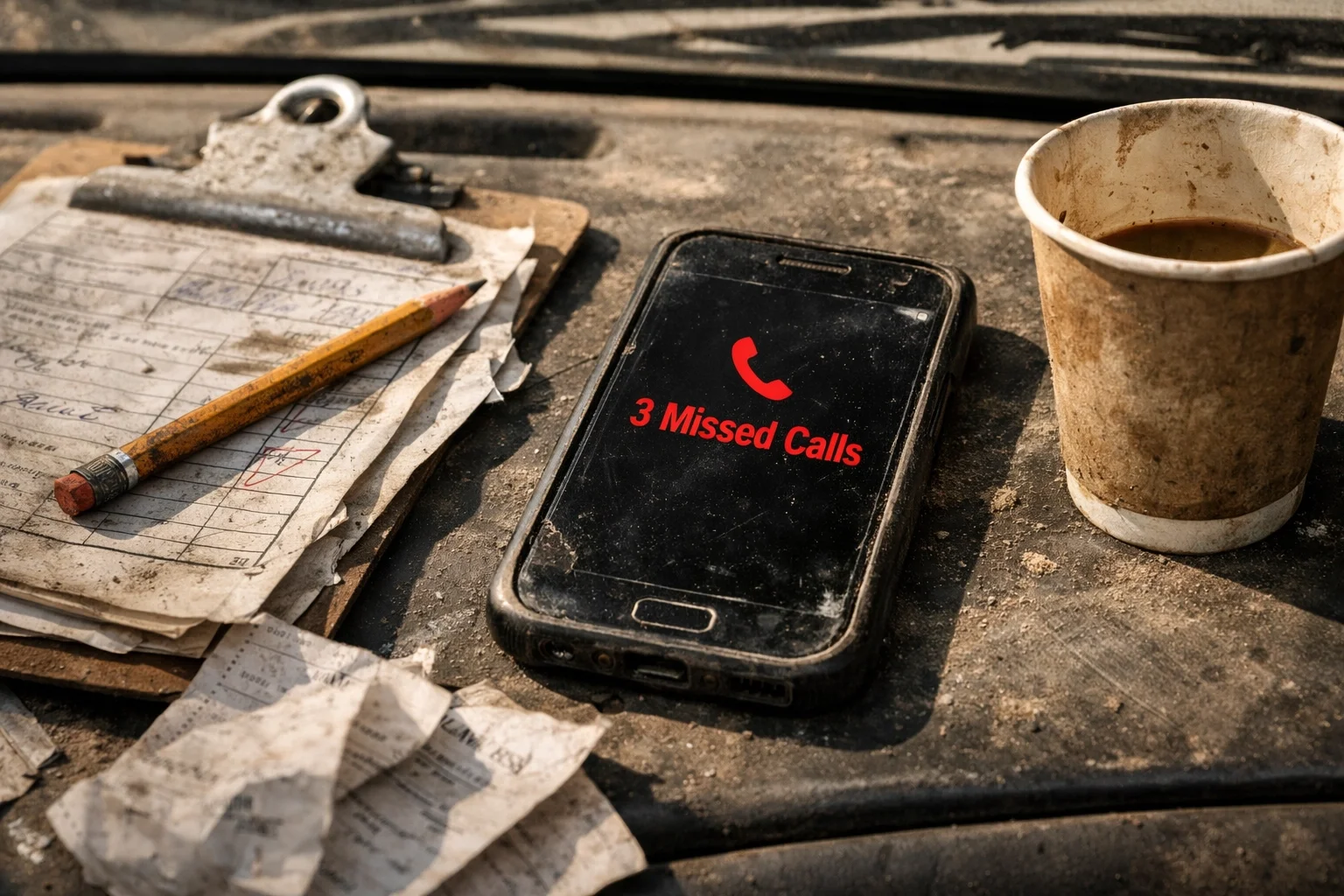
You finish the job, get back to the truck, and check your phone. Three missed calls. Two voicemails. One from a number you don't recognize.
You tell yourself you'll call them back later. But "later" turns into tomorrow. And tomorrow, that caller already booked someone else.
That's a $1,000 job you'll never see.
This isn't a story. It's Tuesday.
The Math You're Not Running
Here's what most home service businesses don't realize: 80% of callers won't leave a message. They just hang up and call the next company.
Let's say you get 50 calls a week. If you're missing even 10 of them (which is conservative if you're running solo or with a small team), that's:
10 calls × 80% who won't leave a voicemail = 8 people who vanish immediately
Even if only half of those were real jobs, that's 4 lost opportunities per week
At an average job value of $800–$1,200, you're leaving $3,200–$4,800 on the table every single week
That's $12K–$19K a month. Gone. To silence.
And that's just the calls you know you missed.
Why Voicemail Is Killing You
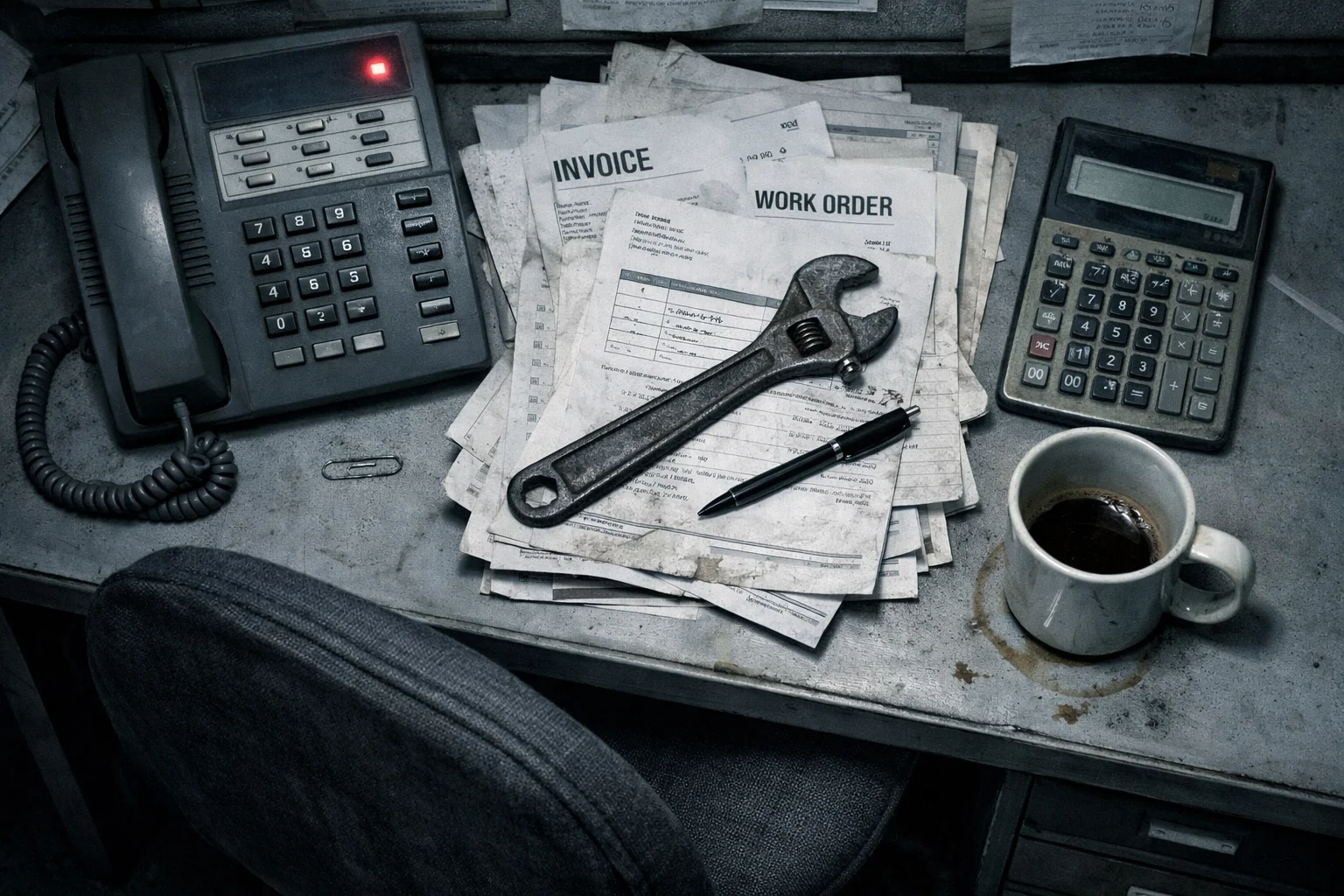
Most people think voicemail is neutral. Like it's just… there. A placeholder until you can get back to someone.
But voicemail isn't neutral. It's actively costing you jobs.
When a customer calls and gets your voicemail, here's what they hear:
"We're too busy to answer."
"You're not a priority right now."
"Try someone else."
And they do.
According to research, over 70% of consumers hang up within a minute of hitting voicemail. They don't wait. They don't leave a message. They move on.
Think about your own behavior. When was the last time you left a voicemail for a business and felt good about it?
Exactly.
The "I'll Just Hire Someone" Trap
The knee-jerk response is usually: "I need to hire someone to answer the phones."
But here's the problem with that:
A full-time office person costs $35K–$50K/year (plus payroll taxes, benefits, training)
They still can't answer calls when they're in the bathroom, at lunch, or dealing with another customer
You now have to manage them, which adds to your admin load (the thing you were trying to escape)
If they quit, you're back to voicemail until you hire again
Hiring isn't a bad move when you're ready. But if you're doing $500K–$2M in revenue and still wearing all the hats, adding headcount might just give you a different set of problems.
You don't need another person on payroll. You need a front office layer.
What a Front Office Layer Actually Does
A front office layer is the system that sits between your phone and your chaos.
It's not a person. It's not a call center. It's not a chatbot that pisses people off.
It's an invisible office assistant that:
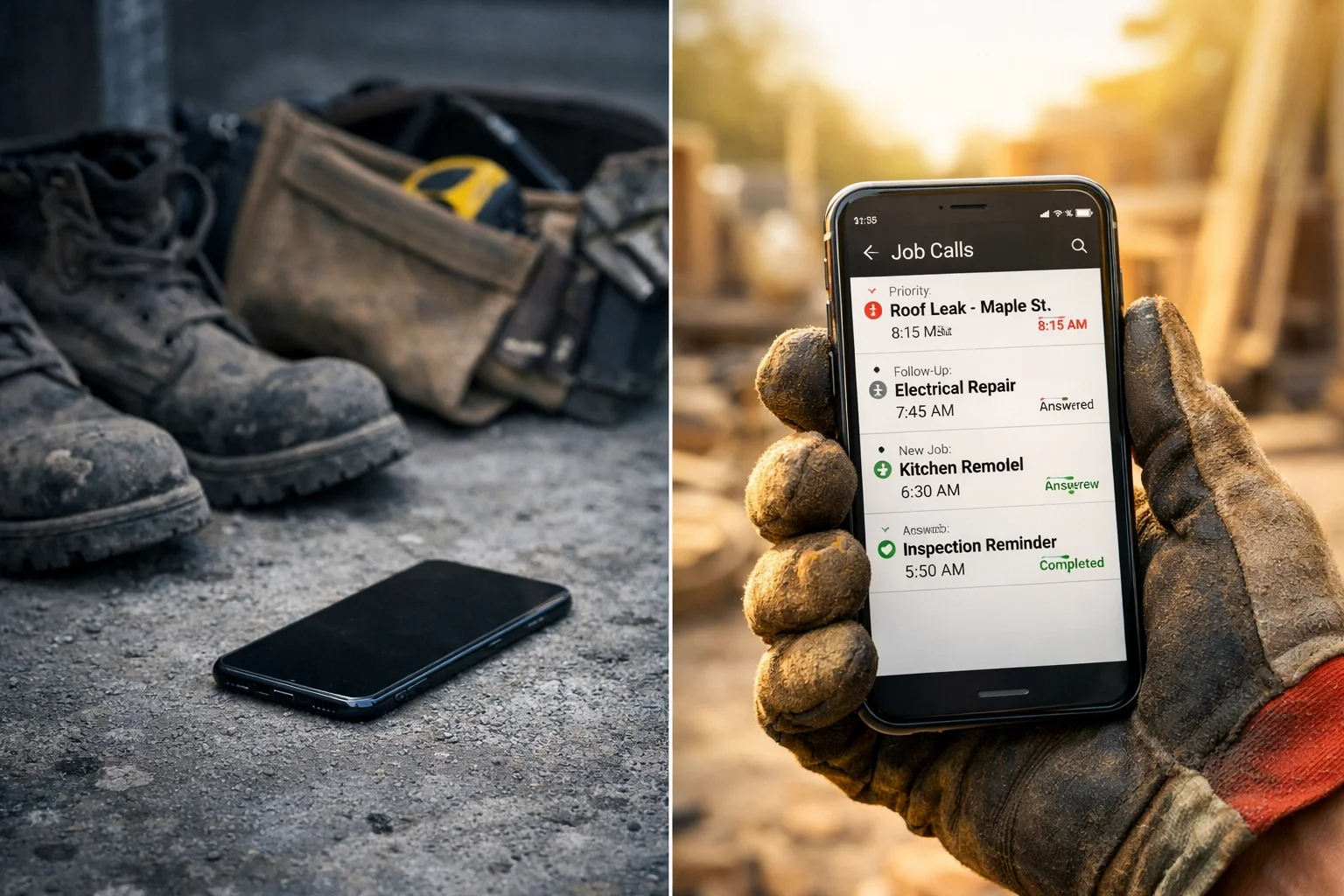
Answers every call , even when you're on a ladder, in a crawl space, or finishing a job
Captures the right information , name, issue, urgency, location
Prioritizes what matters , so you know which calls are "pipe burst" vs. "general quote"
Follows up automatically , so leads don't go cold while you're out in the field
It runs in the background. You don't think about it. It just works.
And here's the key: it doesn't replace you. It protects your time so you can do the work that actually makes money.
What This Looks Like in Real Life
Let's say a homeowner calls at 2 PM on a Wednesday. You're mid-job.
Without a front office layer:
Call goes to voicemail
They don't leave a message
They call the next electrician
You lose the job
With a front office layer:
Call gets answered (by the system)
Customer explains the issue
System logs it, asks key questions, and determines urgency
You get a summary: "Water heater leak, needs same-day service, customer available after 5 PM"
You call them back (or your system does) within 20 minutes
Job booked. Revenue captured.
You didn't stop working. You didn't hire anyone. You just stopped losing jobs to silence.

The Real Competitor Isn't the Guy Down the Street
Your biggest competitor isn't the other plumber with better reviews or the HVAC company with nicer trucks.
It's your voicemail.
Because while you're out doing good work, your voicemail is telling potential customers: "We're not available."
And the business that picks up? They win. Even if their work isn't as good as yours.
89% of customers will make another purchase after a positive experience. But they can't have that experience if they never get through in the first place.
You Don't Need Perfect. You Need Functional.
Here's the thing: you don't need some fancy, over-engineered system. You just need something that works while you're working.
A front office layer doesn't have to be complicated. It just has to:
Capture demand when you can't
Give you clarity on what's urgent
Reduce the mental load of "did I miss something important?"
It's not about AI for the sake of AI. It's about creating a buffer between the chaos of incoming calls and the focus you need to do your job well.
Think of it like this: you wouldn't show up to a job without the right tools. Why would you run a business without the right system to handle demand?
Stop Competing Against Silence
If you're reading this and thinking, "Yeah, I probably miss more calls than I realize…"
You're right. You do.
But the good news is: this is fixable. You don't need to hire. You don't need to answer your phone at 9 PM. You just need a system that catches what you're missing.
Because every call that goes to voicemail is a job you'll never close.
And every job you don't close is revenue you're handing to someone else.
The question isn't whether you're losing money to missed calls. You are.
The question is: how much longer are you okay with that?